A Growing but Overlooked Crisis
Across Sub-Saharan Africa, populations are aging—but without the systems needed to support them.
According to the World Health Organization, the global population aged 60 and older is expected to double by 2050, reaching over 2 billion people.
At the same time, the number of older adults in Africa is projected to grow rapidly, with the population expected to triple in the coming decades.
As a result, millions of elderly individuals are left to survive without reliable support.
👉 This makes elderly care in Ethiopia and across Africa an urgent and growing challenge.
What Aging Looks Like in Sub-Saharan Africa
Unlike high-income countries, many older adults in Sub-Saharan Africa:
- Have worked their entire lives in the informal economy
- Have no retirement savings or pension
- Depend on family support that may no longer exist
Research shows that a large portion of workers in the region are employed informally, meaning they lack access to structured retirement systems.
When age limits their ability to work, income disappears—but basic needs do not.
👉 Aging often means poverty.
The Reality for Elderly People in Ethiopia
In Ethiopia, the situation is especially urgent.
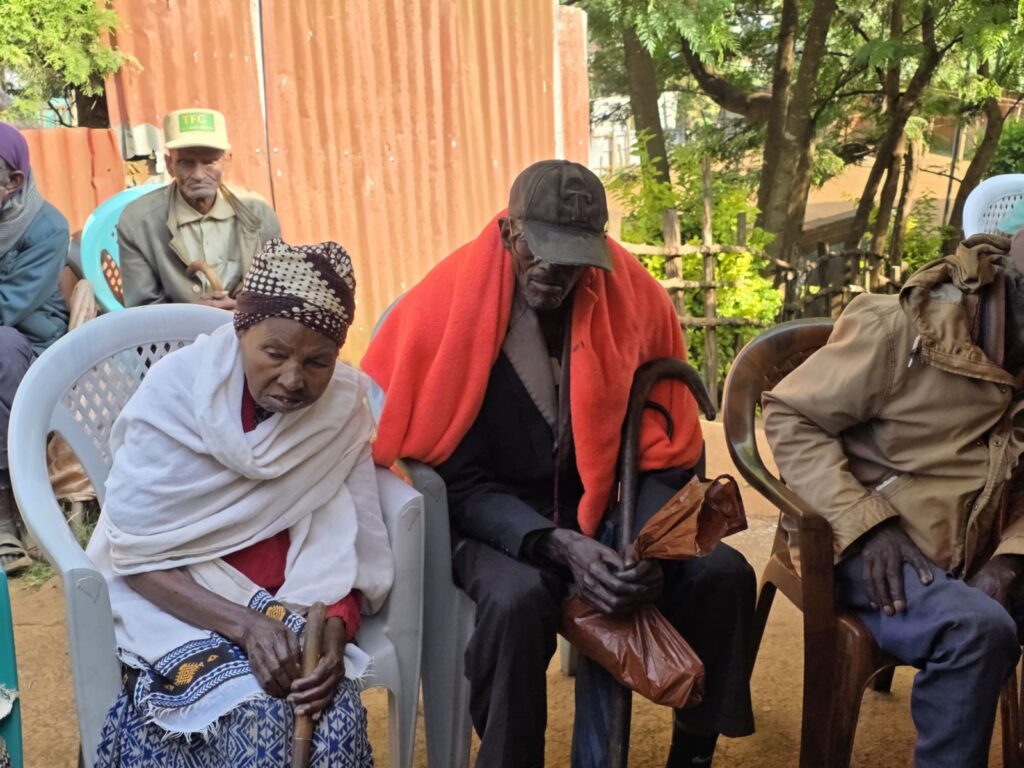
Many elderly individuals face the following:
- Chronic hunger and malnutrition
- Unsafe or collapsing housing
- No consistent source of income
- Isolation without family or community support
Some are forced to beg for survival. Others go days without eating.
Because of limited mobility and declining health, even simple daily tasks become difficult.
👉 Without support, survival itself becomes uncertain.
Why the System Falls Short
There are structural reasons why elderly people are often overlooked:
- Limited pension coverage
- Focus of aid programs on children and working-age adults
- Weak social protection systems
- High reliance on informal labor
As life expectancy increases across Africa, many countries remain unprepared to support aging populations.
As a result, elderly individuals are often invisible in both policy and aid distribution.
Why Elderly Care in Ethiopia Matters Now
This is not just a social issue—it is a development issue.
When elderly people lack support:
- Families face increased financial pressure
- Health risks increase without access to care
- Poverty extends across generations
Improving elderly care in Ethiopia strengthens entire communities—not just individuals.
A Simple Solution with Immediate Impact
While large-scale policy reform takes time, immediate solutions are possible.
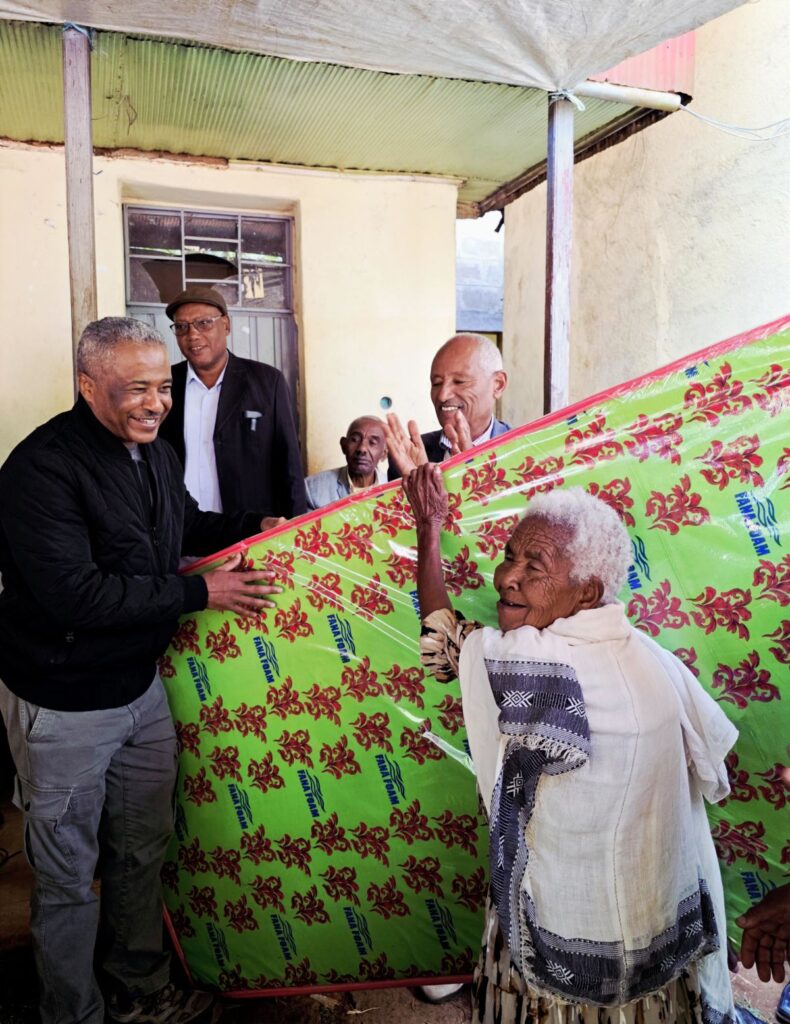
Grace Elderly Care International provides direct, community-based support for vulnerable elders, including:
- Monthly financial assistance
- Home repairs for safe living conditions
- Temporary shelter for homeless elders
- Volunteer support and human connection
Even small support can create life-changing results.
How You Can Make a Difference
In Ethiopia, just $20 per month can provide:
- Daily meals
- Stability and safety
- Dignity and independence
- Hope
For someone with nothing, this support is transformative.
👉 Take Action Today
You can help improve elderly care in Ethiopia right now.
👉 Sponsor an elder and provide consistent support
👉 Donate to expand life-saving programs
👉 https://elderlygrace.org/elderly-sponsorship/
👉 https://elderlygrace.org/donate/
No Elder Should Be Forgotten
Across Sub-Saharan Africa—and especially in Ethiopia—millions of elderly individuals are living without support.
But this is not inevitable.
👉 With compassion and action, we can restore dignity—one life at a time.